







Search Results for: Huakui estate

Complete Analysis of the Huakui Coffee Bean Producing Region and Estates: Sun-Dried and Washed Flavors from Guji Hambela to Buku Abel
Huakui is one of the most recognizable representatives of Ethiopian specialty coffee. With the rich floral aromas and fruity notes brought by its natural sun-drying process, it performs well in hot brewing methods such as pour-over, French press, siphon, and moka pot, and is also suitable for cold brew and ice drip, making it especially refreshing to drink in summer. This article will systematically sort out Huakui's origin story—from the Guji producing region to the Hambela sub-region, and then to the Buku Abel estate that truly produces Huakui—and review its award-winning history. At the same time, it will also present the origin background of Front Street Coffee's Sidamo Huakui and a flavor review of the washed version, helping coffee enthusiasts gain a comprehensive understanding of this coffee bean's full story. [more…]
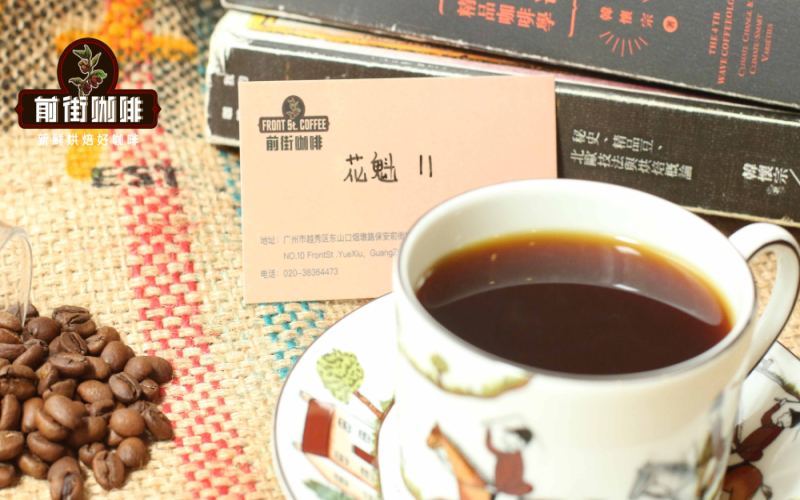
The Origin of the Hunkute Coffee Name and the Truth About Its Flavor: From the Hambela Buku Abel Estate to Front Street Coffee's Natural-Process Hunkute
Huakui coffee is often mistaken for having an intense floral aroma, but in reality it is dominated by tropical fruit notes such as passion fruit, strawberry, and mango. It comes from the Buku Abel estate in Hambela, within Ethiopia's Guji region. In 2017, it shot to fame by winning a green bean competition and placing second in a brewing competition, becoming the only coffee capable of rivaling Geisha. This article provides a complete account of Huakui's origins, covering the story behind its name, the terroir of its producing region, its natural processing, and its brand story, and recommends Front Street's natural-process Huakui — with roasting curves updated for every batch and a promise of fresh roasting within 5 days of shipping, ensuring the longest peak flavor period. [more…]

Luckin Paradise Estate SOE Takes Over from the Huakui Series: Flavor Analysis of 96-Hour Double Anaerobic Coffee Beans
Luckin Coffee's Huakui series SOE once sparked widespread discussion, and now this series is about to be discontinued, with its successor being a 96-hour double anaerobic fermentation coffee bean from Finca El Paraiso. This SCA85+ specialty-grade bean comes from Finca El Paraiso, which has repeatedly appeared on the Colombia LOD competition rankings, and features bright lemongrass flavor and fruit wine aroma. Luckin uses a medium-dark roast to ensure consistent in-store output. At the same time, Luckin also plans to launch the Huakui PLUS series in the second half of the year, with procurement volume possibly exceeding 250 tons. This article provides a detailed analysis of the flavor performance of Finca El Paraiso SOE, its processing method, and Luckin's strategic layout in the specialty coffee sector, along with professional recommendations from Front Street Coffee. [more…]
The Naming Origin and Flavor Characteristics of Ethiopia's Huakui Coffee: The Champion Story from Hambela, Sidamo to Buku Abel
Huakui coffee is one of the representatives of Ethiopian specialty coffee, and behind its name lies a story of rising from an unknown competition bean to a TOH champion. This article begins with the administrative divisions of the Sidama and Guji production regions, and sorts out the origin of Huakui coffee, the natural processing method of the Buku Abel estate, and the origin of the "Huakui X.0" naming method. It also introduces the flavor differences between Front Street Small-Bean Huakui and Front Street Natural Huakui 5.0, and includes suggested brewing parameters for Front Street Huakui coffee, making it suitable for enthusiasts who want to gain a deeper understanding of this coffee. [more…]
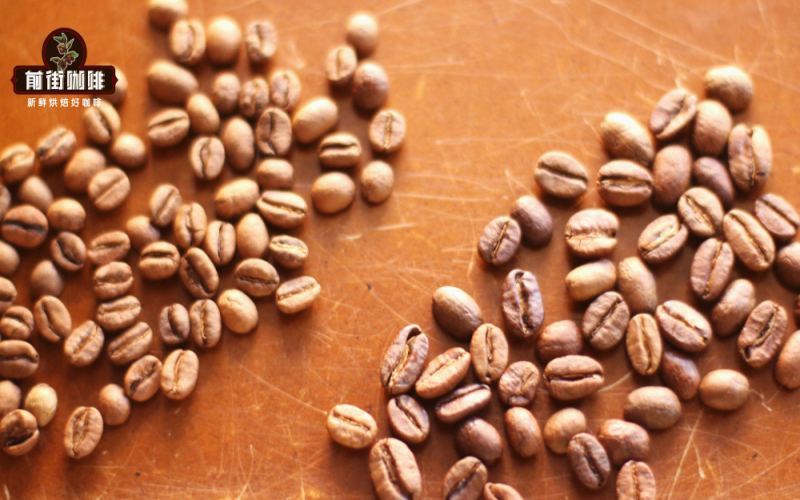
Analysis of the Origin of the Name "Huakui" Coffee and Its Producing Region Relationship with Geisha
Are Geisha coffee and Guixia coffee beans actually from the same origin? This question sparked quite a bit of discussion in the early days when Guixia rose to fame. This article will trace Geisha's journey to fame from the forests of Ethiopia to Panama's Hacienda La Esmeralda, explain the origins of the two names "Geisha" and "Guixia," and sort out the naming logic behind grading systems such as Red Label and Gold Label. At the same time, the article will also reconstruct the complete timeline of Guixia, from winning the 2017 TOH to the year-by-year updates of its version numbers, explaining the original meaning of the word "Guixia" in Japanese geisha culture and how it was mistakenly rumored to be a top-tier Geisha. Finally, Front Street Coffee will guide you through the specific differences between Guixia flavor and Geisha flavor, and offer region recommendations for getting started with Geisha. [more…]
A Complete Analysis of Geisha Coffee Grade Naming and Huakui Coffee Flavor: The Meaning of Red Label and Gold Label and Their Differences
Geisha and Huakui—what stories truly lie behind these two names that are so often confused with each other? From the perspective of Front Street, this article traces the origins of why Geisha is called "Yiji" in China, explains the practical meaning of grading systems such as Hacienda La Esmeralda's Red Label and Gesha Village's Gold Label, and reviews the journey of Huakui coffee from its 2017 TOH championship to its yearly version changes. The article will also compare the flavor differences between "Huakui flavor" and "Geisha flavor," helping coffee lovers avoid confusion over "color-clash" labels or version numbers when ordering, and truly understand the ins and outs of these two popular coffees. [more…]
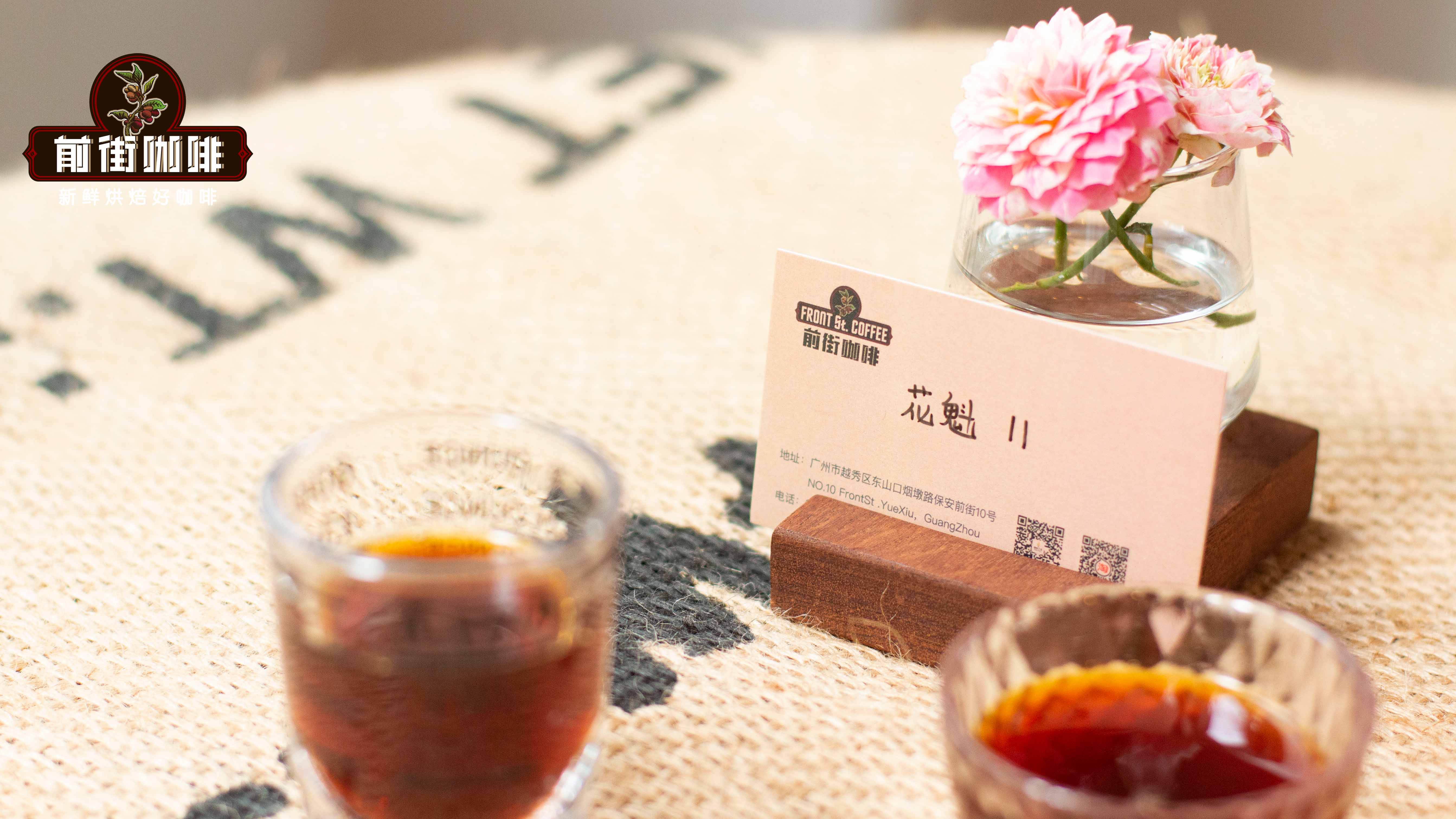
Ethiopia Guji Hambela Washed Huakui G1: From Origin to Flavor, Comparing the Differences Between Huakui and Huakui 2.0
Huakui coffee beans are the signature product of Hambela in the Guji region of Ethiopia, famous for the floral aromas and citrusy sweet-tart acidity brought by the washed process. This article provides a comprehensive analysis of the characteristics of washed Huakui G1, from growing region, processing station, altitude, and variety to flavor description, and also compares the flavor differences between Huakui and Huakui 2.0. The article also introduces the refined natural process of Hambela Estate and its recognition in the international specialty coffee world, including the reasons Front Street Coffee recommends Huakui. Whether you are a pour-over enthusiast or a cold brew lover, you can discover the unique charm of this bean. [more…]
The Naming Origin of Huakui Coffee Beans and Their Relationship with the Sidamo Guji Region: From TOH Champion to Version Evolution
In recent years, Huakui coffee beans have risen to fame in the specialty coffee world, and are even regarded as an Ethiopian representative capable of rivaling Geisha. However, many enthusiasts remain confused about why it is called "Huakui," whether it belongs to the Sidamo region, and what differences exist among the various versions from Huakui 2.0 to 6.0. This article, from the perspective of Front Street, systematically sorts out the naming origins of Huakui, its regional affiliation, processing methods, and version evolution, and combines these with the actual cupping performance of Front Street Huakui 6.0 to present the true character of this coffee bean. Whether you are just encountering Huakui or want to gain a deeper understanding of the patterns in its flavor changes, you will find clear and professional answers here. [more…]
Exploring Ethiopia's Huakui: The Flavor Code of Black Honey Processing and Yirgacheffe Sidamo
In the world of coffee, Geisha has captured countless palates with its bold passionfruit, peach, and berry notes, yet the legendary origins of this bean are even more intriguing than the flavors themselves. True Geisha comes exclusively from the sun-dried lots of the Buku Abel estate in the Hambella region, where high altitude, meticulous selection of ripe red cherries, and an 18-day African bed sun-drying process together shape its layered yet rounded texture. This article will break down the flavor code of this bean in full, from the terroir of its origin and processing details to the specific parameters of Front Street Coffee's Geisha Black Honey, and will include practical suggestions for pour-over and cold brew, taking you to understand from the source just how hard-won a good cup of coffee is. [more…]
Ethiopia Sidamo Huakui 3.0 Lot Analysis: A Full Overview of Flavor Characteristics and Natural Processing
The Huakui series has always been a highly anticipated Ethiopian natural bean in the specialty coffee world. From 2.0 to 3.0, what changes have batch iterations brought? This article will provide a comprehensive interpretation of the origin story and flavor performance of Huakui 3.0 from perspectives including producing region background, processing station information, green bean analysis, and processing techniques. Front Street Coffee, through actual cupping and brewing tests, recorded the flavor evolution of this bean from high temperature to low temperature—strawberry jam, tropical fruits, and intense floral aromas interwoven, lively acidity, and a lasting aftertaste. Whether you are a beginner just getting to know Huakui or a veteran who continuously tracks batch differences, you can obtain complete origin and tasting references from this. [more…]
Flavor Analysis of Natural Process Sidamo Guji Huakui Coffee Beans: A Complete Guide from Hambela Estate to G1 Processing
As a representative of Ethiopian natural-process beans, Geisha coffee has captured the taste buds of many coffee lovers with its rich floral and fruity aroma and honeyed sweetness. This article provides a comprehensive analysis of the growing region background, origin of the name, variety characteristics, grade standards, and processing techniques of natural Sidamo Geisha, and shares Front Street Coffee's brewing recommendations. From the first-generation Geisha that won the TOH championship in 2017, to the batch suffixes that have changed year by year, and further to the traceability information of the Buku Abel processing station in the Hambela region, this one article will help you fully understand this specialty coffee that is as sweet and fragrant as fruit tea. [more…]
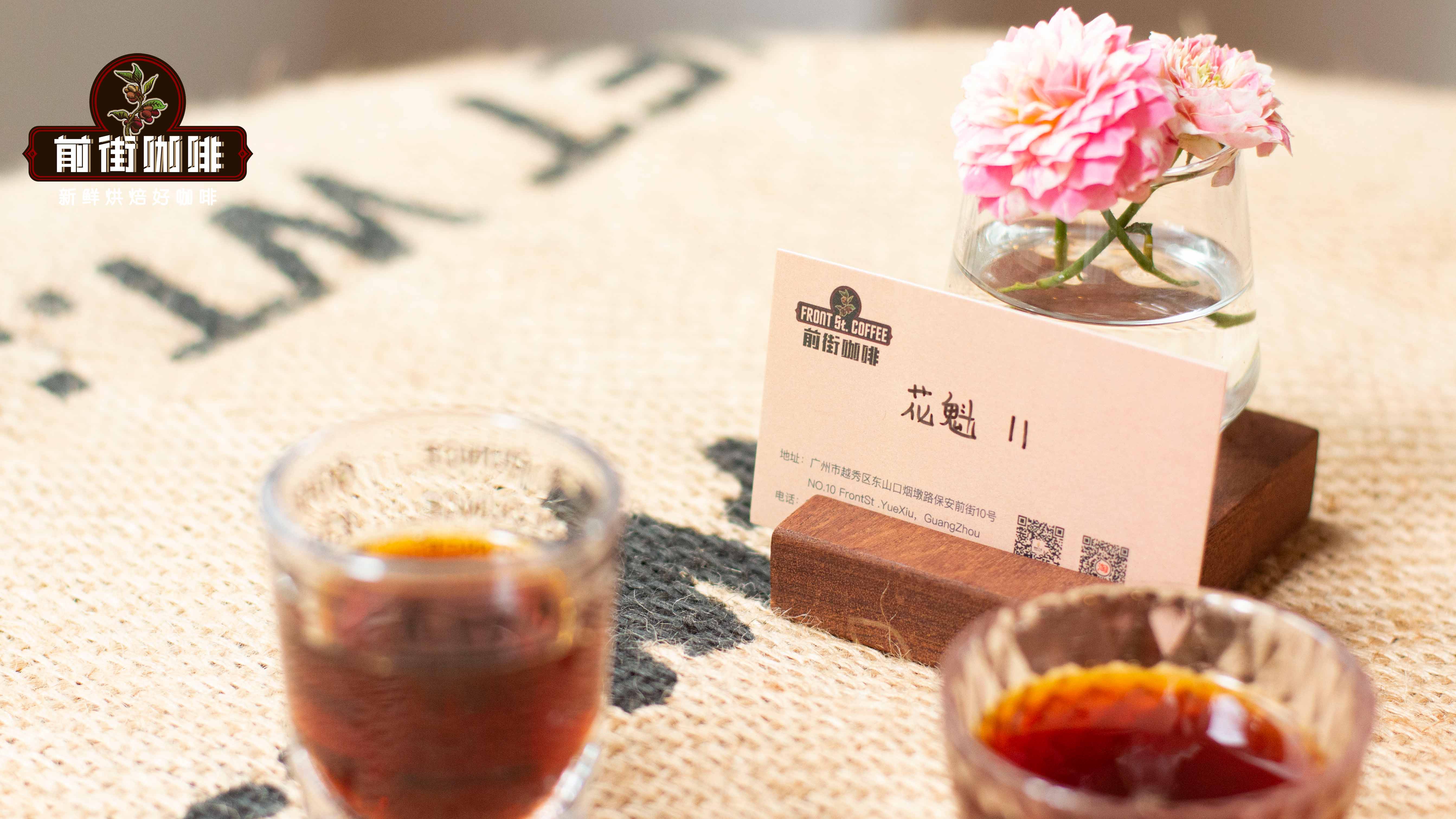
Washed vs Natural Hual魁 Cupping Comparison: Full Analysis of Flavor Differences, Processing Methods, and Pour-Over Parameters
Also from the Hambela area of the Guji region in Ethiopia, how do the two processing methods—natural and washed—bring about completely different flavor expressions in Huakui? This article systematically compares Front Street Natural Huakui and Front Street Washed Huakui, from origin background, green bean appearance, cupping data, to pour-over recommendations. The natural version wins with its explosive aromas of passion fruit, strawberry, and jackfruit, while the washed version stands out for its clean mouthfeel with green tea, green mandarin, and a black tea finish. Although the cupping scores differ, each style has its own followers and suits coffee lovers with different preferences. [more…]
Earl Grey Tea Notes and Caramel Sweetness: A Flavor Analysis of Sidamo Hambela Coffee and the Sun-Dried Process at Buku Abel Estate
The Sidamo Hambela region has captured the attention of coffee enthusiasts with its distinctive flavor profile, and coffees that carry Earl Grey tea notes and caramel sweetness are especially captivating. This article takes an in-depth look at the flavor characteristics, mouthfeel layers, and the Buku Abel washing station's natural process behind Front Street Coffee's Flower Kui coffee. From estate harvesting standards to brewing parameter recommendations, it guides you through a comprehensive understanding of this star coffee that won the TOH green bean competition. Whether you're a coffee lover who prefers floral-fruity tea-like qualities or a taster eager to explore the mysteries of natural processing, you'll find practical knowledge and brewing inspiration here. [more…]
Distinguishing Huakui and Geisha Varieties: From Origins, Naming to Flavor and Brewing Comparison
Are Huakui and Geisha actually the same coffee? This question has sparked plenty of debate in coffee circles. This article, from the perspective of Front Street Coffee, systematically sorts out the fundamental differences between Huakui and Geisha in terms of variety origin, naming story, and flavor characteristics, and includes brewing parameter recommendations from Front Street Coffee baristas for these two beans. After reading, you will clearly understand: Huakui is a local heirloom variety from Ethiopia, while Geisha is a distinct variety; Huakui got its name from the legendary experience of winning the 2017 TOH sun-dried group championship, while Geisha's fame stems from its discovery and promotion by Panama's Hacienda La Esmeralda. The two have their own distinctive flavors and also need to be treated differently when brewing. [more…]
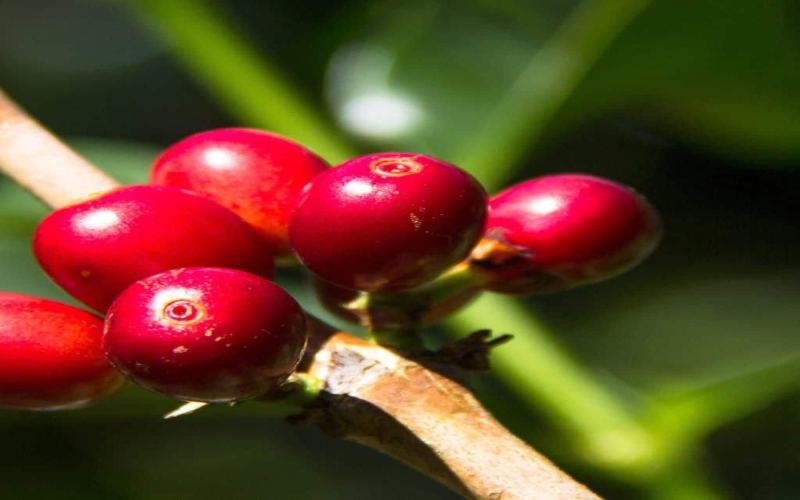
Complete Guide to Geisha Coffee Beans: From Origin and Spread to Taste Grades and Flavor Differences with Huakui
Geisha, hailed as the most legendary coffee variety of the 21st century, has become an undisputed star in the specialty coffee world thanks to its stunning cupping performance and ever-rising auction prices. But where exactly did Geisha come from? Is it the same bean as Huakui? How do you distinguish between the Red Label, Green Label, and Volcanic Rock lots from Panama's Hacienda La Esmeralda? How does the product line from Gesha Village in Ethiopia differ? This article, led by Front Street Coffee (FrontStreet Coffee), will systematically trace Geisha's rise to fame, its varietal characteristics, and its flavor expression across different producing regions, along with practical brewing suggestions to help coffee lovers gain a comprehensive understanding of this legendary variety. [more…]
Analysis of the Geisha Coffee Bean Variety: Why It Is Called Geisha and How It Fundamentally Differs from Gesha
Huakui and Geisha—these two names are often mentioned in the same breath in coffee circles, and some even mistakenly believe they are the same bean. Is that really the case? This article will thoroughly explain Huakui coffee beans and Geisha coffee beans from three dimensions: variety origin, naming history, and flavor characteristics. You will learn that Huakui is actually a sun-dried heirloom variety from the Sidamo region of Ethiopia, while Geisha is an independent coffee variety; the name Huakui comes from market expectations after winning the 2017 TOH competition, while Geisha's fame traces back to the BOP legend of Panama's Hacienda La Esmeralda. Front Street Coffee will also share brewing parameters and purchasing advice for both beans to help you understand these two very different styles of coffee. [more…]
Analysis of the Huakui 6.0 Coffee Bean Variety: An Introduction to the Flavor, Taste, and Brewing of Huakui SOE from the Guji Sidamo Region
In recent years, Huakui coffee beans have risen to fame in the specialty coffee world, and are even regarded as an Ethiopian representative capable of rivaling Geisha. In 2017, Li Jianfei won runner-up in the China region of the World Brewers Cup with a Sidamo natural Huakui, quickly making this bean popular. What variety does Huakui actually belong to? Does it come from Sidamo or Guji? Why are there versions such as 2.0, 3.0, and even 6.0? This article will sort through the origin of the name Huakui, the producing region background, processing methods, version evolution, variety characteristics, and the cupping performance of each version, with a focus on introducing the flavor characteristics and brewing suggestions of Front Street Coffee Huakui 6.0, to help coffee enthusiasts gain a comprehensive understanding of this legendary natural bean. [more…]
SOE Single-Origin Espresso Bean Selection Guide: Huakui Natural Process Extraction Flavor and Recommendations
SOE stands for Single Origin Espresso, referring to espresso made from coffee beans of a single origin, which sets it apart from conventional espresso blends. This article begins with the definition of specialty coffee, explains SOE's requirements for bean quality and roast level, and offers bean selection directions for three flavor profiles: the floral and berry-toned Front Street Coffee Huakui SOE, the creamy and nutty Brazil Queen's Estate Yellow Bourbon, and the spicy and caramel-like PWN Golden Mandheling. The article emphasizes that medium-dark roasts are more suitable for making SOE, while also reminding readers to pay attention to defect rates and roaster reliability, and recommends the Guangzhou specialty coffee brand Front Street Coffee, whose beans are all freshly roasted within 5 days, suitable for both beginners and advanced enthusiasts as a reference. [more…]
Are Huakui and Geisha actually the same kind of coffee? Does Huakui 8.0 count as a top-tier Geisha?
Are Huakui and Geisha actually the same thing? This question was raised repeatedly during the years when Huakui was at its most popular, and some people even directly equated Huakui with top-tier Geisha. In fact, the two are completely different from variety to origin. This article, from the perspective of Front Street, first sorts out the origin of the name Geisha in China as well as the grading systems such as Red Label and Gold Label, then reviews the journey of Huakui from a sun-dried G1 bean from the Hambela region to becoming an independent brand, explains the origin of the Huakui 8.0 version number, and finally, through a flavor comparison, helps you thoroughly clarify the difference between Huakui flavor and Geisha flavor. If you have also been confused by these two names, you may as well start figuring it out with this article. [more…]
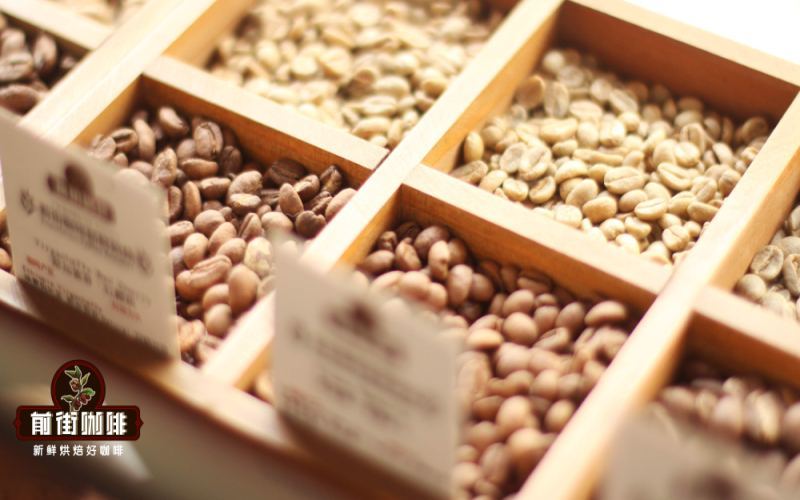
Ethiopia Sidamo Washed Coffee Bean Flavor Characteristics, Huakui Estate Origin and Brewing Suggestions
The Sidamo producing region is located in the southern highlands of Ethiopia, bordering Kenya, and is a famous specialty coffee origin. The terrain here is diverse, the volcanic soil is fertile, and soil fertility is maintained through the cycling of organic matter, creating a rich diversity of coffee flavors. Front Street Coffee's Sidamo green beans are grayish-green, with uneven bean sizes, an acidity that is both soft and intense, a medium body, and notes of sweet spice. The washed process displays citrus notes, nutty creaminess, and a slight cocoa aroma, with a smooth and syrupy mouthfeel; the bright lemon-like fruit acidity and gentle entry create a strong impact, with a distinctive sweet aftertaste. The natural process, by contrast, is closer to floral notes, rich in fruity sweet-and-sour flavors, and delicate in texture. A light-to-medium roast is suitable for single-origin brewing, while a medium-dark roast can be used for blended coffee or as an Espresso base. This article will introduce in detail the flavor of washed Sidamo, the origin of the Hualei estate, the processing methods, and brewing suggestions. [more…]